
Aida / Pixabay
Sharing Conservation Success in the U.S. Capital
This December, our Ridgway’s Hawk Program Coordinator, Carlos Suárez, and Vice President of International Conservation Programs, Dr. Evan Buechley, traveled to what might seem at first an unlikely location for conservation work: downtown Washington, D.C. Their mission? Delivering a presentation on the success of our Ridgway’s Hawk Program at the headquarters of the Global Environment Facility (GEF).
The GEF supports developing countries with funding from donor countries for a wide variety of conservation initiatives. Since its establishment in 1991, the GEF has provided more than $27 billion in financing and mobilized another $155 billion for global conservation initiatives. The GEF-supported Critical Ecosystem Partnership Fund (CEPF) is one of our key partners on the Ridgway’s Hawk Program.
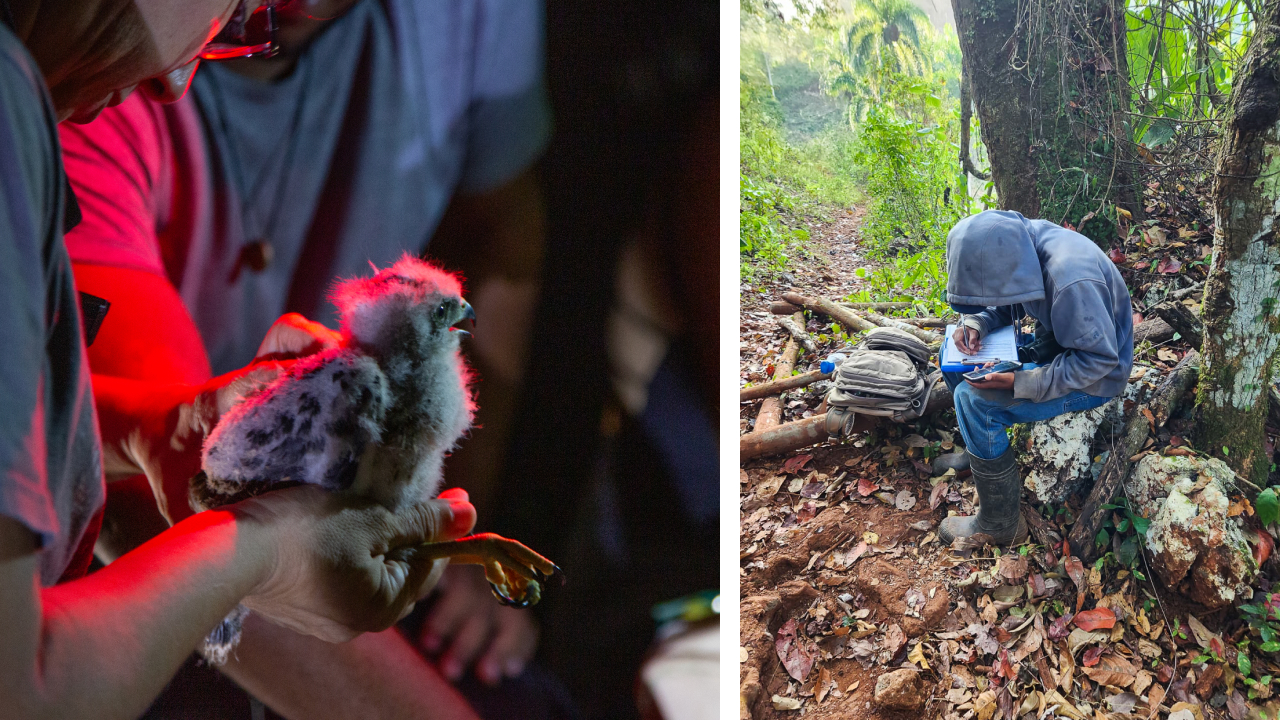
“This was a great opportunity to connect with the GEF and to share updates on our highly successful program in the Dominican Republic,” says Evan. “The trip also provided an opportunity for networking with key supporters of our international work.”
“Definitely a unique chance to showcase all of the hard work behind the recovery of this species,” adds Carlos, who has been part of our Ridgway’s Hawk team since 2021. He coordinates field operations, community engagement, and our avian ambassador program in the Dominican Republic.
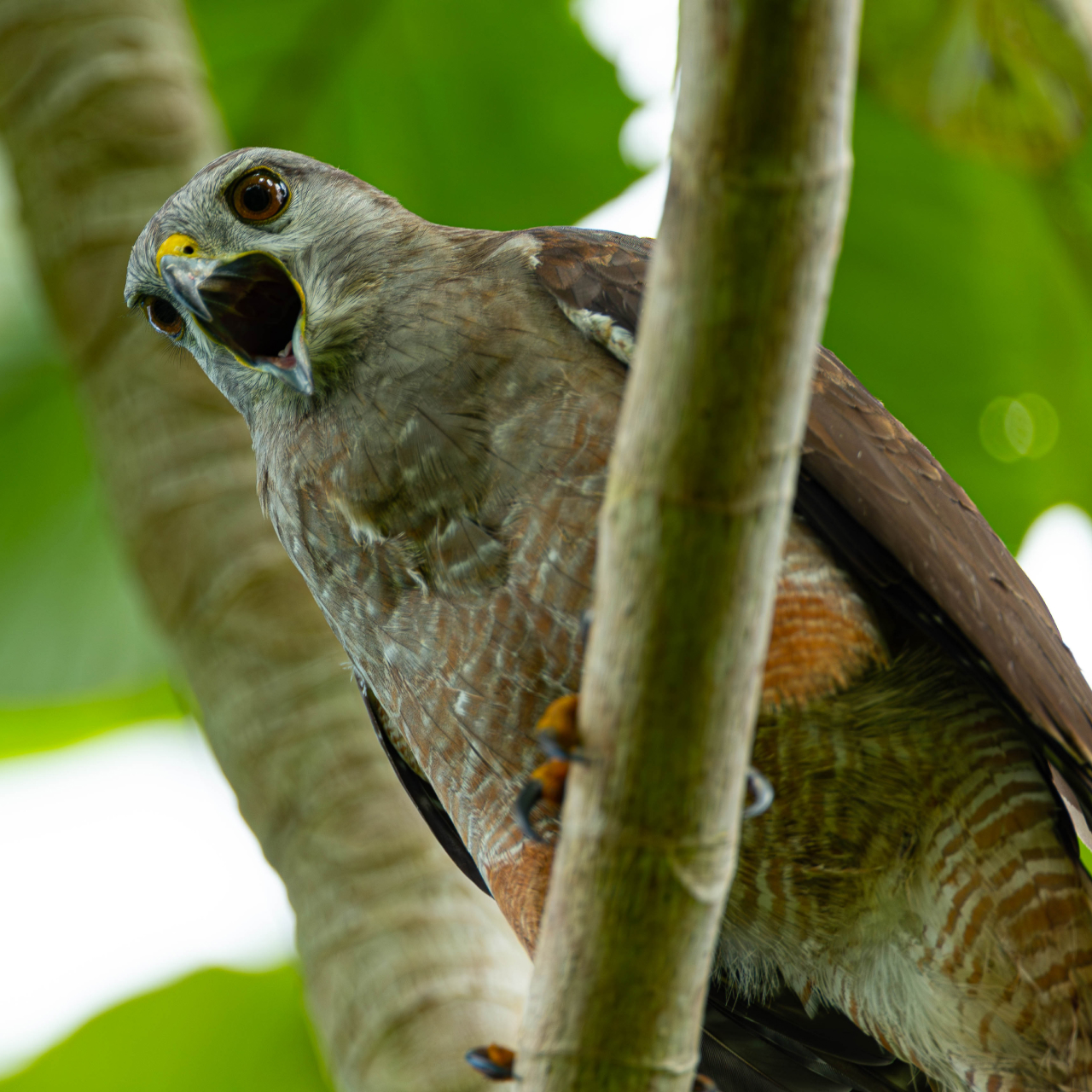
The program has delivered measurable results in the quarter-century since its inception. The total Ridgway’s Hawk population has more than doubled, the number of known sub-populations has increased from one to four, and targeted parasite treatments have nearly doubled the number of nestlings reaching fledging age. The program has also reduced human–hawk conflict, strengthened community stewardship, and increased awareness of the ecological importance of raptors and the ecosystems they depend on.
“The lessons learned during the execution of this program helped us become more proficient and creative in solving problems,” says Carlos. “We’re delivering promising results and adapting our strategy to conserve birds of prey not only in the Dominican Republic, but also worldwide.”