
Evan Buechley
The Data Gap Threatening Africa's Birds
Effective conservation depends on data. Without reliable information about where wildlife populations stand and how they are changing over time, it becomes nearly impossible to know whether conservation efforts are working, where threats are most severe, or how to direct limited resources. For bird conservation across much of Africa, that foundational data has long been difficult to come by.
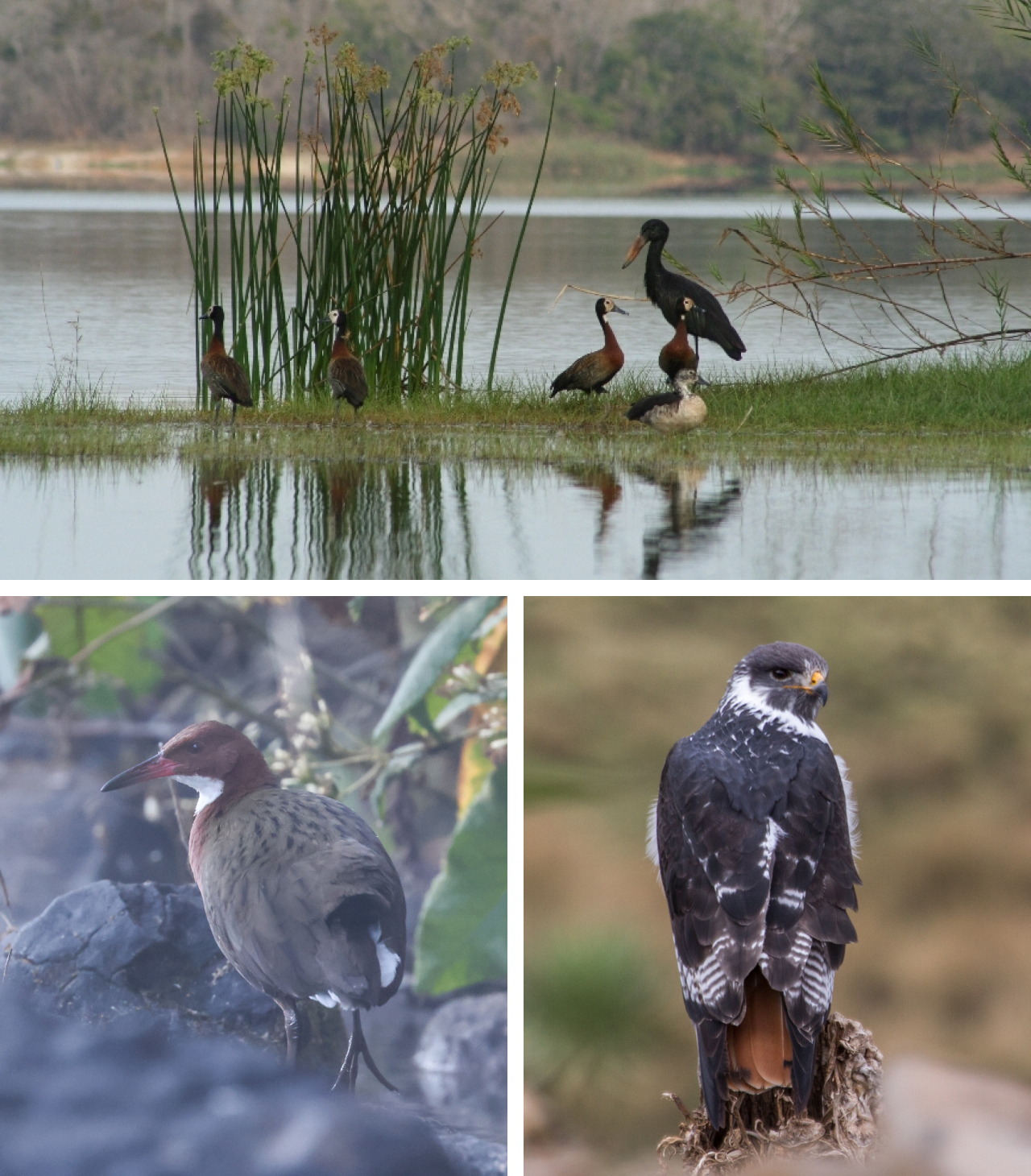
A new publication in Bird Conservation International takes a serious look at the scope of that challenge—and what it will take to address it. The paper, co-authored by The Peregrine Fund's Northeast Africa Program Director Dr. Darcy Ogada and dozens of other researchers and conservationists, examines the current state of bird monitoring in Africa.
Birds are among the best indicators of ecosystem health we have. They're found everywhere, they're relatively easy to observe, and when bird populations change, it's often a signal that something bigger is shifting in the environment around them. In Africa, a continent with some of the richest biodiversity on Earth, tracking bird populations is one of the most powerful tools conservationists have. But right now, the data simply isn't there. Large portions of the continent have little to no systematic bird monitoring at all.
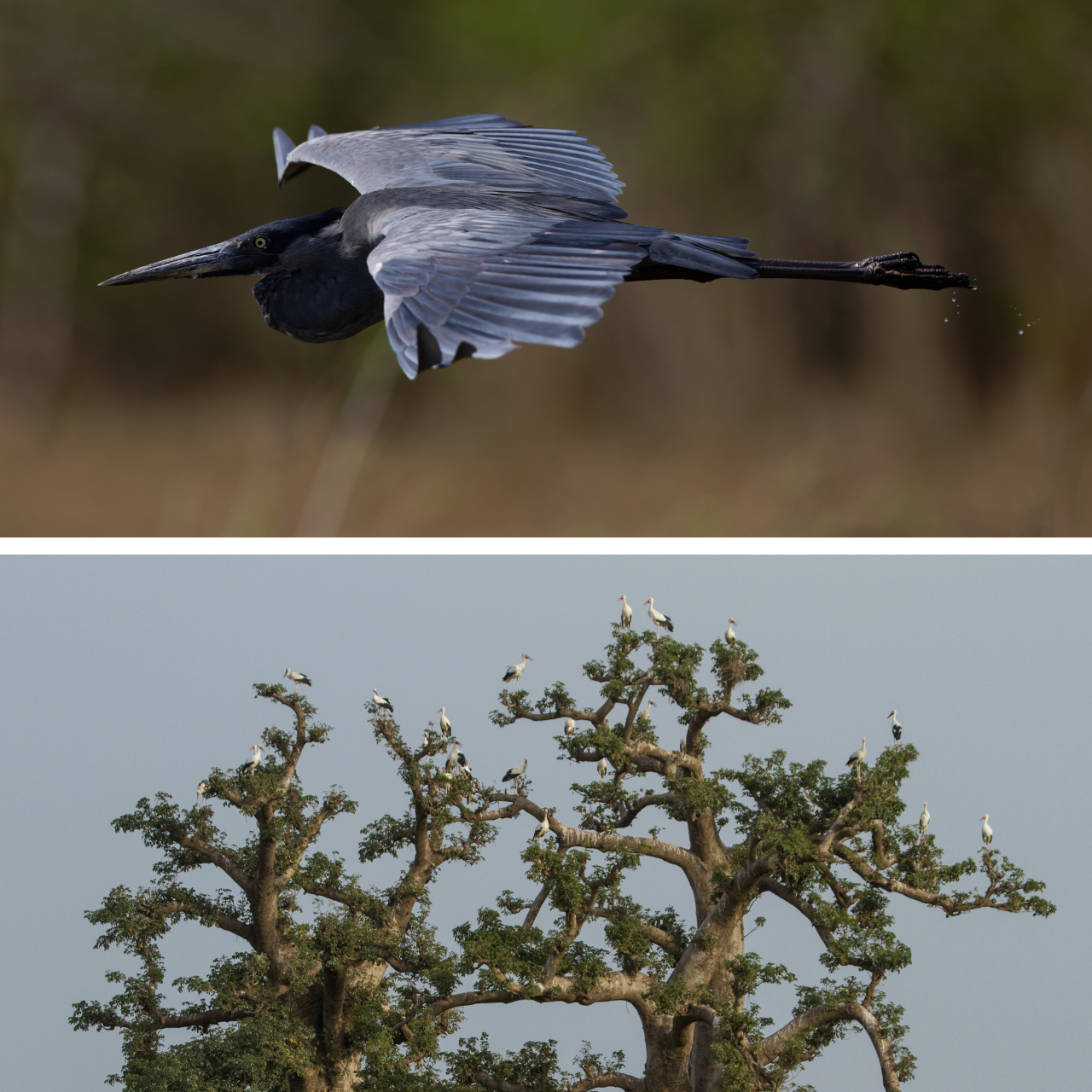
The research identifies some of the key reasons: funding is scarce and often short-term, trained scientists and data analysts are in high demand but short supply, and the tools and infrastructure needed to collect and store data reliably are often out of reach. Volunteers, who form the backbone of monitoring efforts, are difficult to recruit and retain. And the data that does exist isn't always shared or used in ways that drive real conservation action.
But this paper isn't just a list of problems. It's a call to action—and a roadmap. The authors point to examples of what's working: community-driven programs, creative partnerships between governments and NGOs, and citizen science projects that have turned everyday people into powerful contributors to conservation science.