Over the savannas and woodlands of southern Africa, vultures have circled for millennia—cleaning the land, controlling disease, and keeping ecosystems in balance. Across the region, these irreplaceable birds are disappearing. Poisoning, whether intentional or incidental, is pushing several species toward extinction, and the scale of the crisis demands an urgent, coordinated response.
Tanzania sits at the heart of that crisis. Home to eight vulture species, six of which are Critically Endangered or Endangered, the country is experiencing some of the most alarming vulture declines on the continent, with annual mortality rates in some populations as high as 25 percent. Vultures are killed deliberately by poachers who target them to avoid detection by rangers; intentionally for the illegal trade of body parts for belief-based uses; and incidentally when carcasses are laced with pesticides to kill predators such as lions or hyenas.
The Peregrine Fund's Southern Africa Program centers its work in Tanzania, where our team operates on the ground year-round, while building collaborations and laying the groundwork for expanded conservation efforts across the broader region. We bring together cutting-edge monitoring technology, ranger training, community engagement, and investment in the next generation of conservation leaders. Here is how we are doing it.
Our Solutions
Detecting and Responding to Poisoning
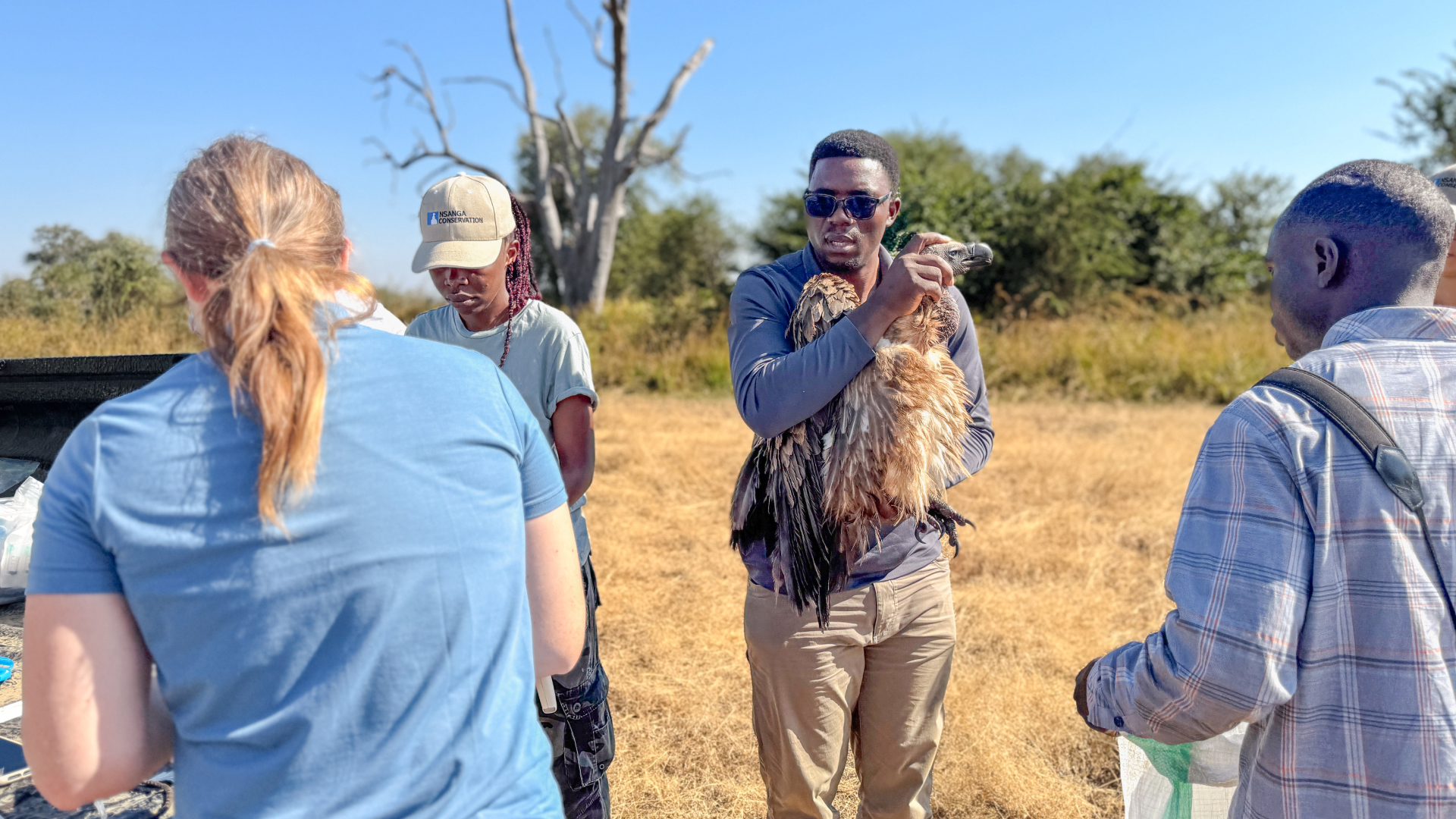
When a poisoning event occurs, speed is everything. Research shows that getting to a poisoning site within hours can mean the difference between a contained event and a mass mortality. The challenge is detection: southern Africa’s landscapes are vast and difficult to patrol.
To solve this, The Peregrine Fund, the Endangered Wildlife Trust, and the North Carolina Zoo co-developed Eye in the Sky—a near-real-time mortality monitoring network that uses GPS tags attached to vultures to detect when something is wrong. When a tagged bird stops moving, an alert goes out. Teams on the ground are mobilized. And the race to reach the site begins. The network now tracks more than 400 tagged birds, connects more than 30 partner organizations, and spans 15 countries of southern and northeastern Africa. Since mid-2023 alone, the program has detected 46 wildlife poisoning events and 30 poison baits, and by a conservative estimate, has helped save approximately 2,500 vultures. Information from the system proves invaluable for understanding how often, where, and why people poison, so that interventions to prevent future poisonings can be more efficiently planned.
Ranger Training
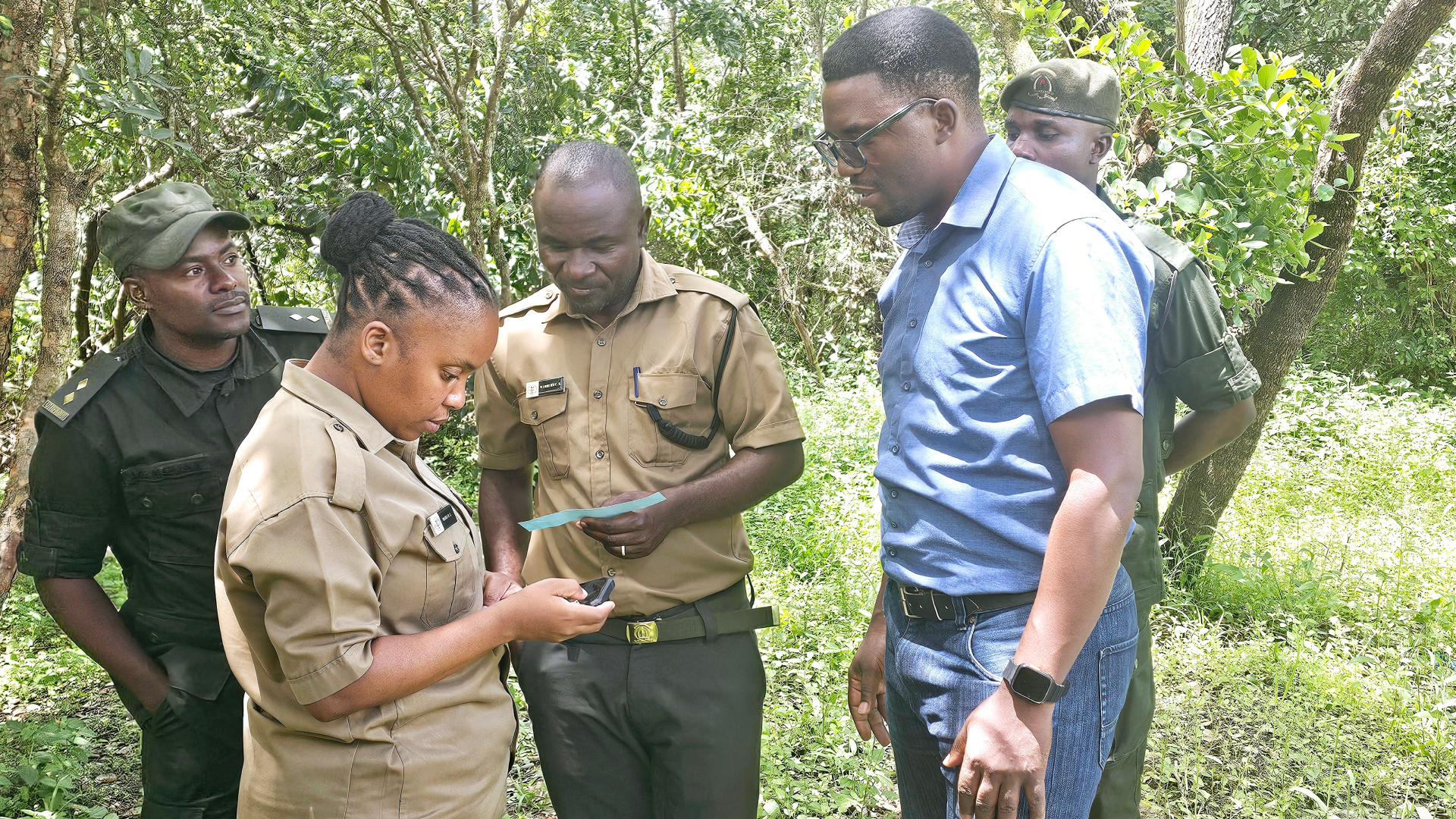
Detecting poisoning is only the first step. What happens next determines how many birds survive. The Peregrine Fund trains rangers across Tanzania to respond quickly and effectively when a poisoning event is detected. They leave knowing how to safely approach and assess a site, gather evidence for investigation, capture and stabilize surviving vultures for rehabilitation, and decontaminate the area to prevent additional mortalities. To date, we have trained approximately 450 rangers, and we aim to train 100 or more each year. Because ranger turnover is high and staff is frequently relocated, this training is an ongoing commitment, not a one-time effort.
Community Outreach & Engagement
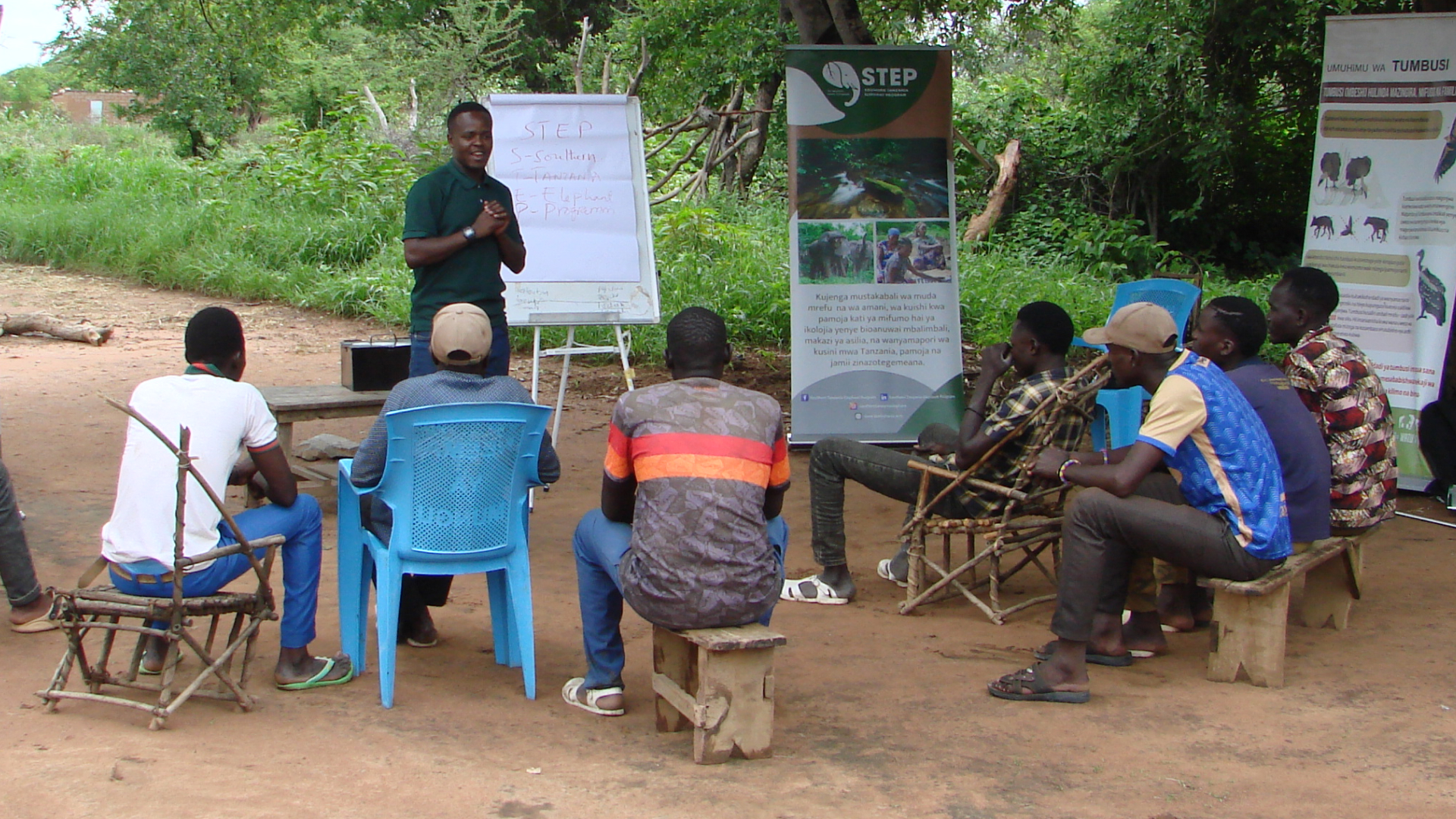
Many poisoning events are not malicious—they are the result of a misunderstood threat. When livestock are killed by predators like lions or hyenas, farmers and pastoralists sometimes retaliate by lacing carcasses with pesticides. Vultures feed on those carcasses and die. Addressing this pattern requires more than enforcement. It requires trust, education, and practical alternatives.
Our team works directly with communities living near key vulture habitats in Tanzania, delivering trainings on the hazards of pesticide use for human, environmental, and wildlife health. Those already affected by livestock losses to predators can partner to receive solar-powered motion-sensing lights, termed “lion lights,” that help to prevent future losses. We hold awareness-raising events at local markets, distribute educational materials, and train community ambassadors who carry that knowledge back to their neighbors, building a grassroots foundation for lasting change.
Population Monitoring
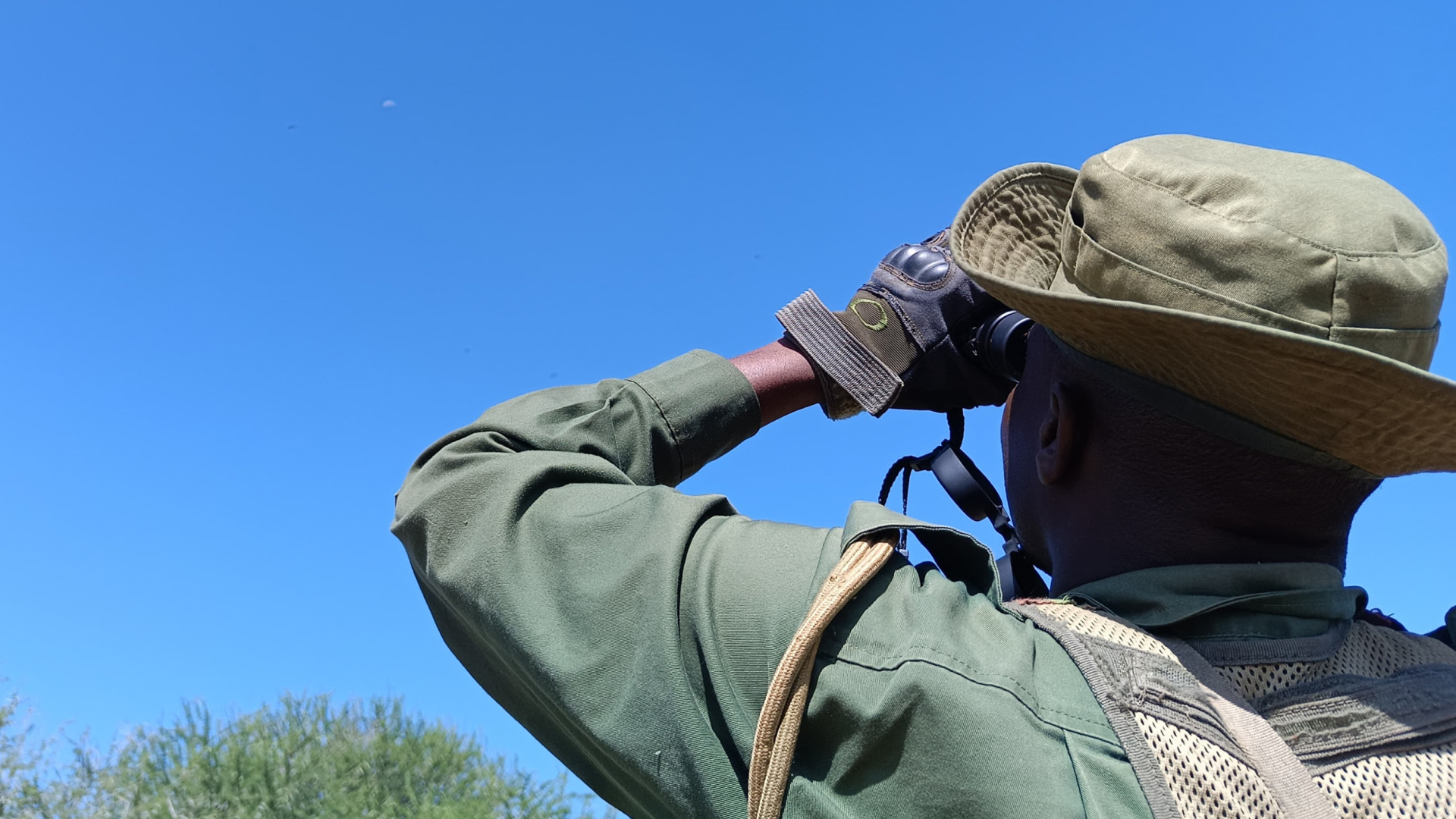
Understanding whether vulture populations are stable, growing, or declining is essential to knowing whether conservation efforts are working. The Peregrine Fund regularly conducts standardized roadside surveys across key ecosystems in Tanzania, tracking population trends for vultures and other raptors. Combined with what we learn about mortality rates from satellite-tagged birds, these surveys ensure the program's conservation decisions are grounded in the best available data on the state of the populations we are working to conserve.
Conservation Leadership
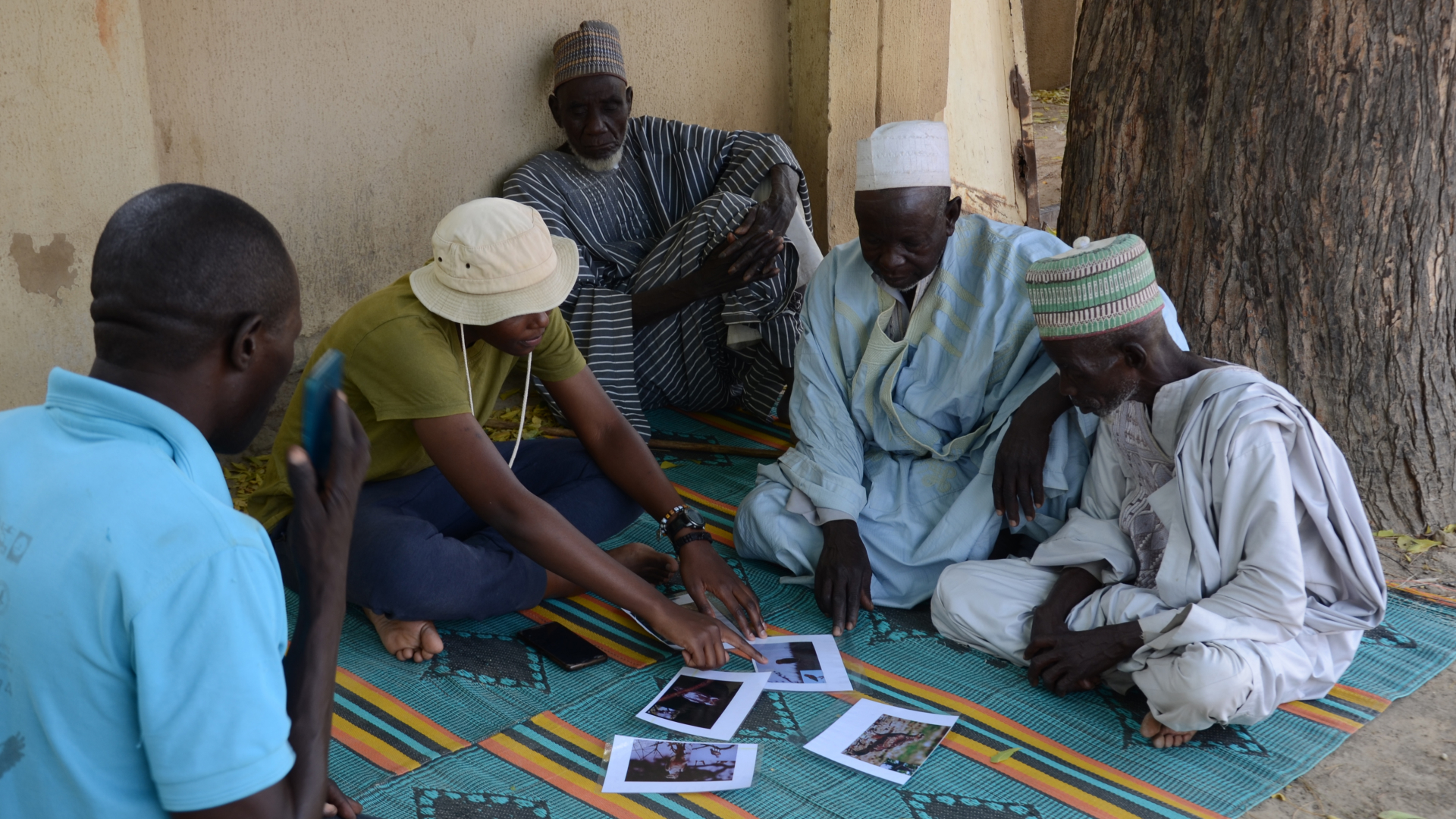
The Peregrine Fund's commitment to southern Africa extends beyond the immediate crisis. We invest in the next generation of African conservation scientists through mentorship, scholarships, and hands-on research support because the long-term future of Tanzania's vultures depends on the people who will conserve them for decades to come. Our team supports African graduate students who attend universities across Africa, Europe, and North America, researching vulture ecology, behavior, and conservation. We serve on student committees, provide field access and research support, and connect emerging scientists with a global network of conservation professionals. The conservation leaders Africa needs are being trained today—and The Peregrine Fund is helping prepare them.

Corinne Kendall
Our Impacts

Carlee Clarke