
Corinne Kendall
Msafiri Mgumba’s Fight for Vulture Conservation in Tanzania
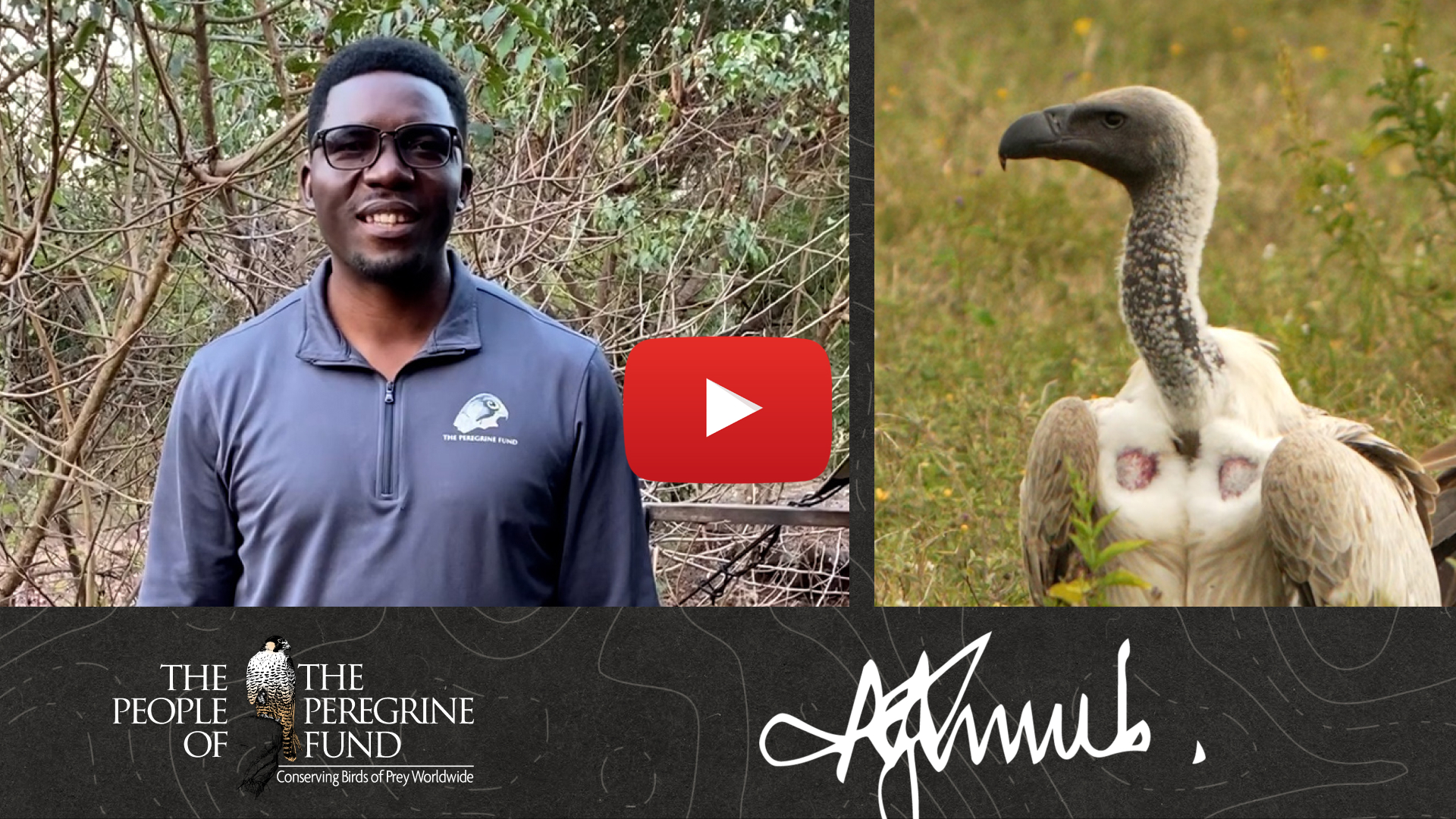
For most of us, conflicts with wildlife are small—an annoying fly, a mouse in the pantry, a squirrel raiding the bird feeder. But for livestock keepers in rural parts of Africa, these conflicts can be far more serious. And Tanzania’s vultures have become collateral damage.
Back in 2011, Msafiri Mgumba was working on a project that monitored human–carnivore conflicts, specifically confirming cases where lions, hyenas, and other large carnivores had killed livestock. Sometimes, livestock keepers retaliate by poisoning the carcass, hoping to kill the carnivore when it returns to feed. But the aftermath of one such case stuck with Msafiri.
"It wasn't just the lion that was killed," Msafiri says. "She had three cubs with her. A domestic dog was killed. Also an African Fish-eagle, and vultures." It was a turning point in Msafiri's life. "Something clicked in my mind that I should educate people that these things are happening and how they can be addressed."
Vultures provide a critical ecosystem service: they clear carcasses from the landscape in minutes, a job that can take other scavengers days or more. Every extra minute a carcass sits out, it collects more disease-causing germs that can spread to people. "Killing vultures is like shooting our own feet," Msafiri says. "Without vultures, we will be facing these diseases. And then we will be in trouble."
A Vulture Conservation Message That Took Flight
Fast-forward to 2017. Msafiri organized the first celebration of International Vulture Awareness Day in his home country, Tanzania. The event brought together people from many different regions and ethnic groups to share one message: vultures are important, they're in trouble, and everyone can help solve the problem.
The event far exceeded expectations. Msafiri remembers it going viral on social media and being covered by newspapers, local radio, and TV stations. And more importantly, the message connected with people. "So many people came up to me and said that they hadn't known the importance of vultures," he remembers. "They told us that now that they knew, they would be in the front line, educating other people about the importance of vultures and how they can protect them.'" Msafiri was awarded the Disney Conservation Hero Award that year for his efforts.
Protecting Vultures on the Ground
Since the inception of TPF’s Southern Africa Program in 2025, Msafiri has served as Project Manager, addressing human-carnivore conflict—and its effect on vultures and other birds of prey—on several fronts. The TPF team tags vultures to track their movements and identify poisoning hotspots. They train community members to build stronger livestock corrals called bomas, and provide motion-detecting "lion lights" to deter predators. They teach community members about the dangers of pesticides often used in retaliatory poisoning. And they train local rangers to respond to poisoning events, so impacts can be minimized and sick vultures can be rescued.
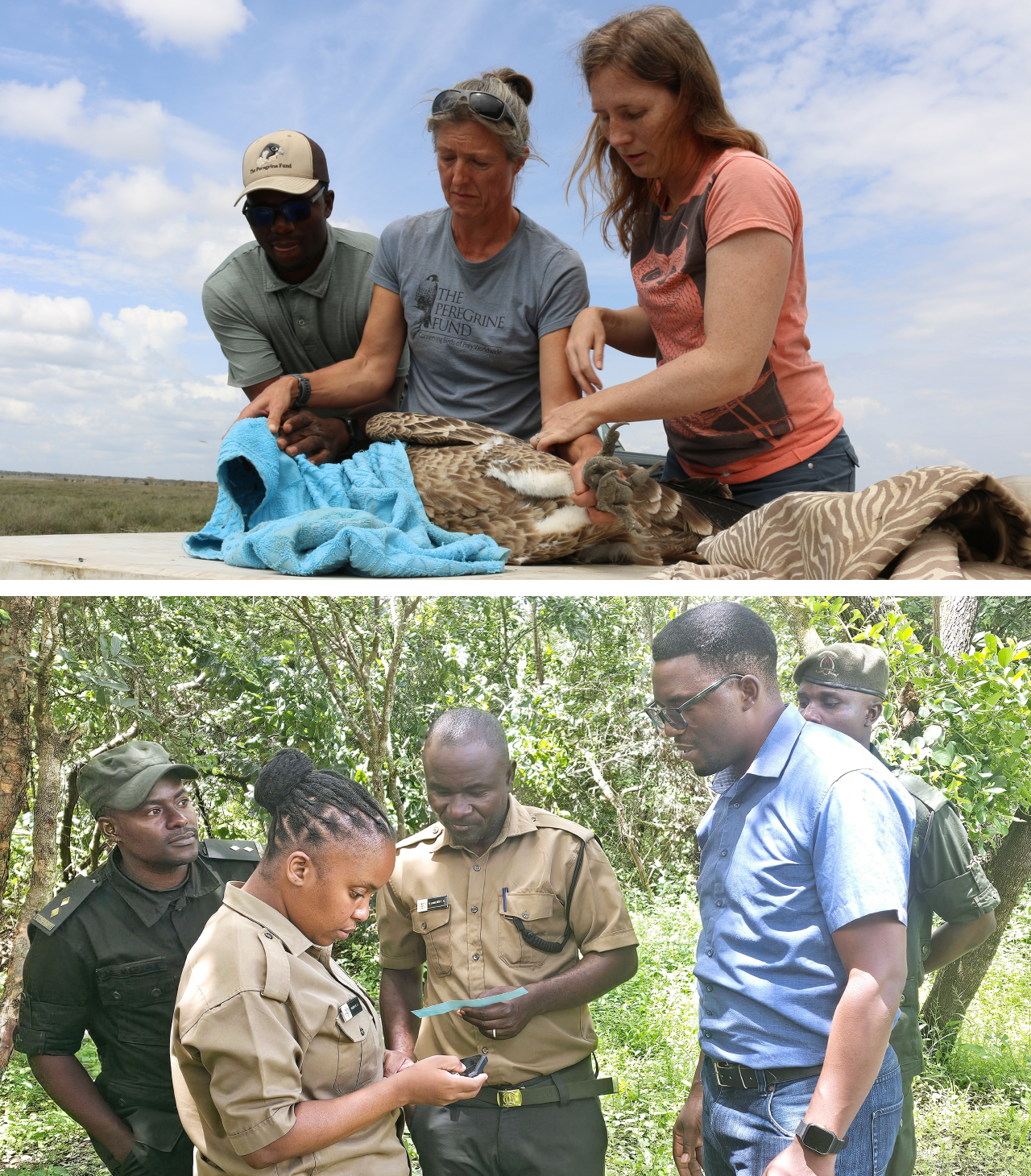
Two pillars of TPF Complete Conservation™ run through all of this work: collaboration and community-based conservation. "We don't just come up with our own ways to mitigate the problem," explains Msafiri. "The Peregrine Fund works with communities to address these issues. We discuss with them which methods they think are better." Community knowledge and support help the team understand how big and where the problem is, what solutions will work best, and how limited resources can be used for the greatest effect.
The strategy is working. "People are understanding it," says Msafiri. "They're buying in and becoming part of the larger community that are conserving vultures here in Tanzania and beyond. Thanks to this collaboration I'm very optimistic that in some years to come, vulture populations will be increasing."