

Paul Juergens
Mapping the Future for Aplomado Falcons
The success of any reintroduction program depends heavily on habitat—not just what's available today, but what will remain available as climate change and human development continue to reshape the landscape. For the Northern Aplomado Falcon, that question is especially urgent.
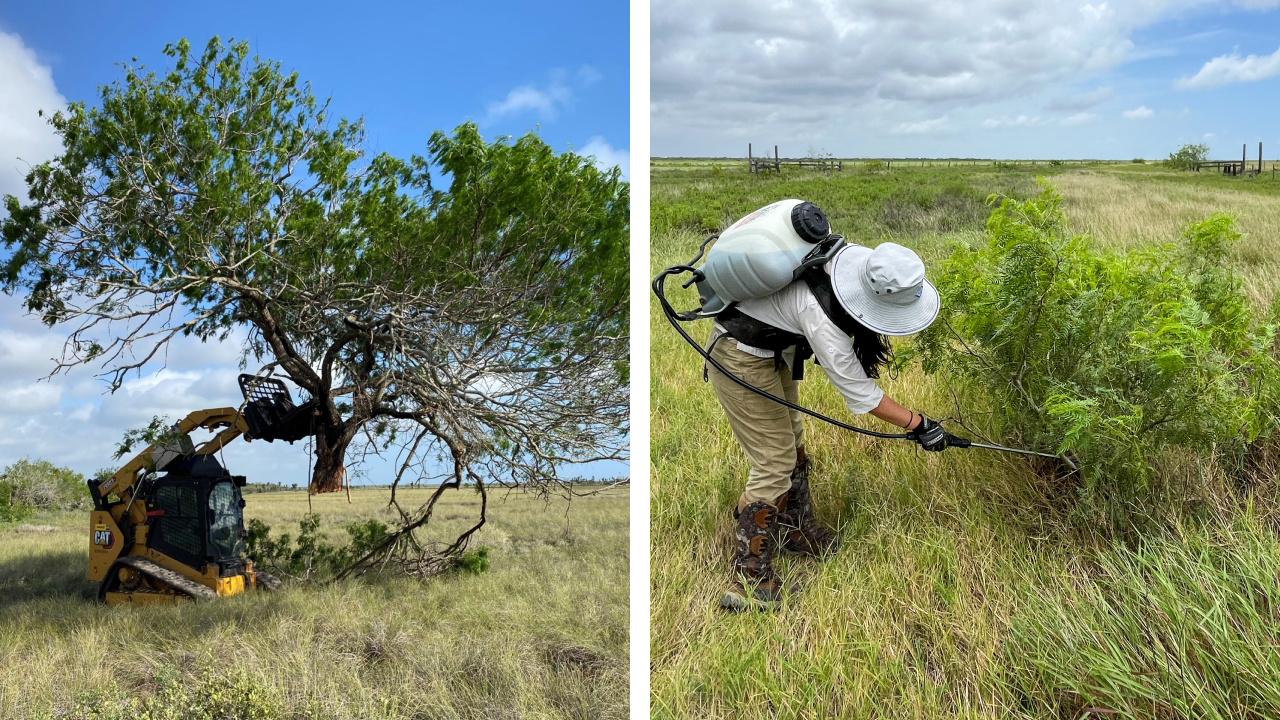
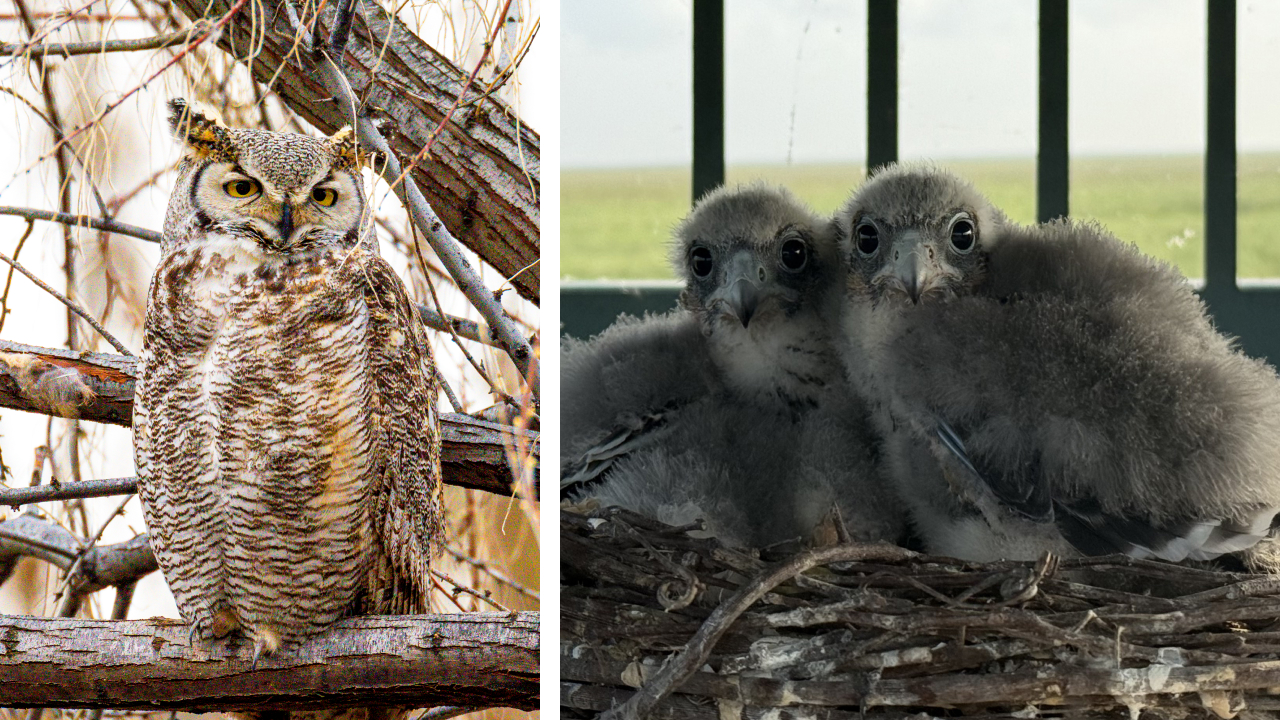
The species was gone from the United States by the 1950s, likely due to habitat loss and degradation, persecution, and pesticide use. The open grasslands it once relied on have been heavily altered by invasive woody shrubs, a consequence of fire suppression, overgrazing, and agricultural conversion. Initiated in 1993, TPF’s Aplomado Falcon Recovery Program reestablished Aplomado Falcons through release efforts along the South Texas coast, where the remaining habitat consists of coastal prairie interspersed with mesquite and yucca for perching and nesting. But woody shrub encroachment remains a serious problem. Denser brush creates ideal conditions for Great Horned Owls, a major predator of Aplomado Falcons, and habitat restoration through brush removal has been a key part of our program.
The population has grown, but the falcons remain concentrated in just two main areas. Some researchers suspect that a shortage of suitable habitat may be limiting further population growth. On top of that, sea level rise and expanding human development threaten to degrade the habitat that does exist, potentially preventing the species from ever reaching a self-sustaining population.
A new study published in the Journal of Raptor Research, led by TPF biologists, set out to examine these concerns directly. The team mapped current habitat suitability across South Texas and modeled how sea level rise and human development could affect that habitat by 2100. Their goal was to identify areas worth protecting, restoring, or targeting for future falcon releases.
The results give reason for both concern and cautious optimism. Under a scenario with high projected greenhouse gas emissions, up to 8% of suitable breeding habitat in the study region could be lost by 2100, primarily to sea level rise. Even so, the habitat projected to remain could support more breeding pairs than currently exist there, suggesting that recovery is still within reach if the right areas are managed well.
The study points to a possible path forward. Areas identified as likely to remain suitable after sea level rise should be prioritized for protection and management now. Areas currently rated as medium quality could be improved through targeted brush removal. And with only 18% of suitable habitat falling within currently protected areas, partnerships with private landowners are not just helpful, but essential to the species' future.