

Aaron Wuori
Raptors on the Move: A Quick Guide to Migration Types
Not every raptor packs its bags when the seasons change. Some birds of prey travel thousands of miles twice a year, while others never leave home. In fact, more raptor species are partial migrants or non-migratory than are fully migratory.
This World Migratory Bird Day, meet the three main migration strategies raptors use—from homebodies to globetrotters—plus a few wildcards.
Resident (Non-migratory) Raptors
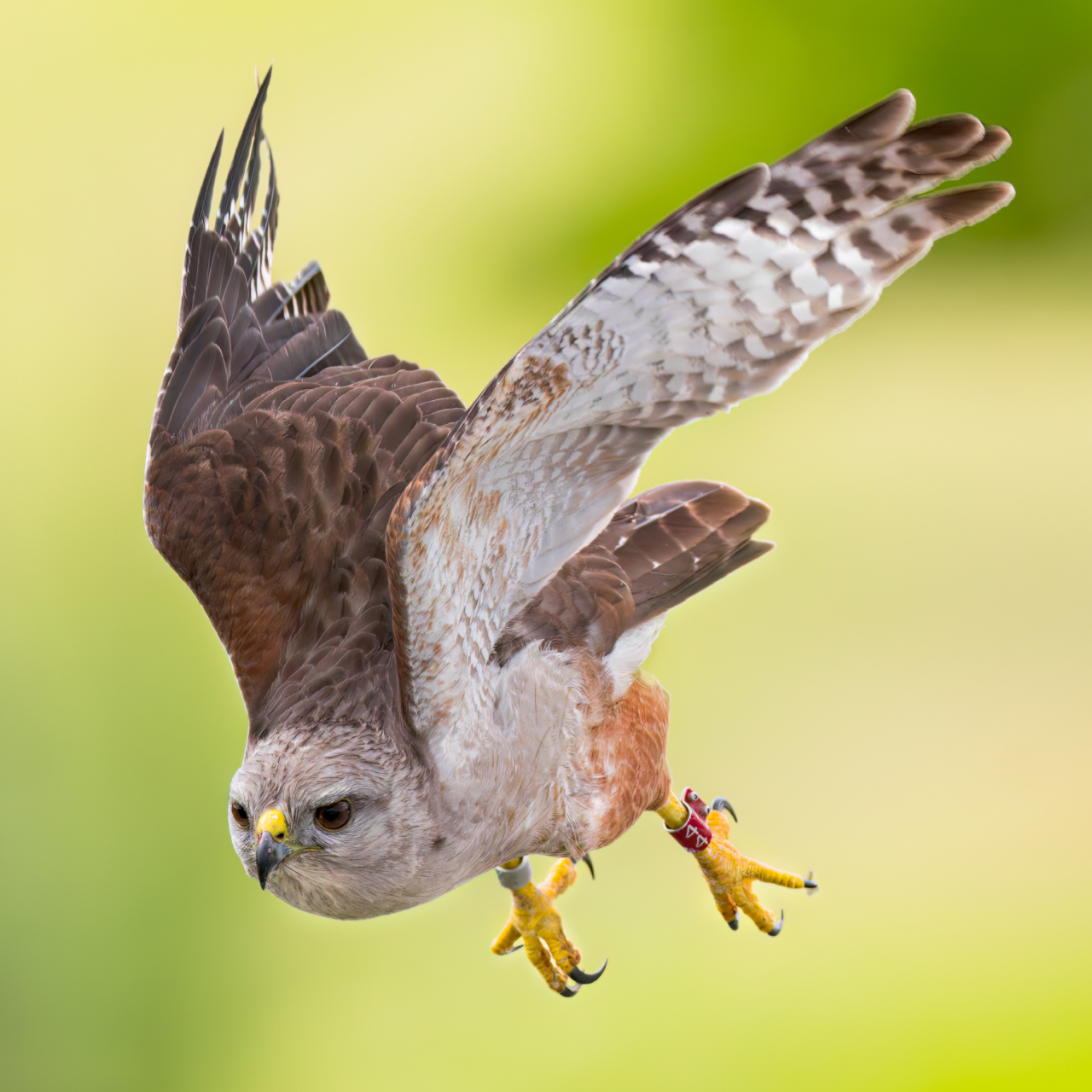
What it means: Resident raptors stay in the same general area all year long.
Meet the Ridgway's Hawk: Found only on the island of Hispaniola, this Critically Endangered hawk lives in the Dominican Republic year-round. Many island species like it are residents, with no need—or easy route—to travel elsewhere.
Partial Migrants
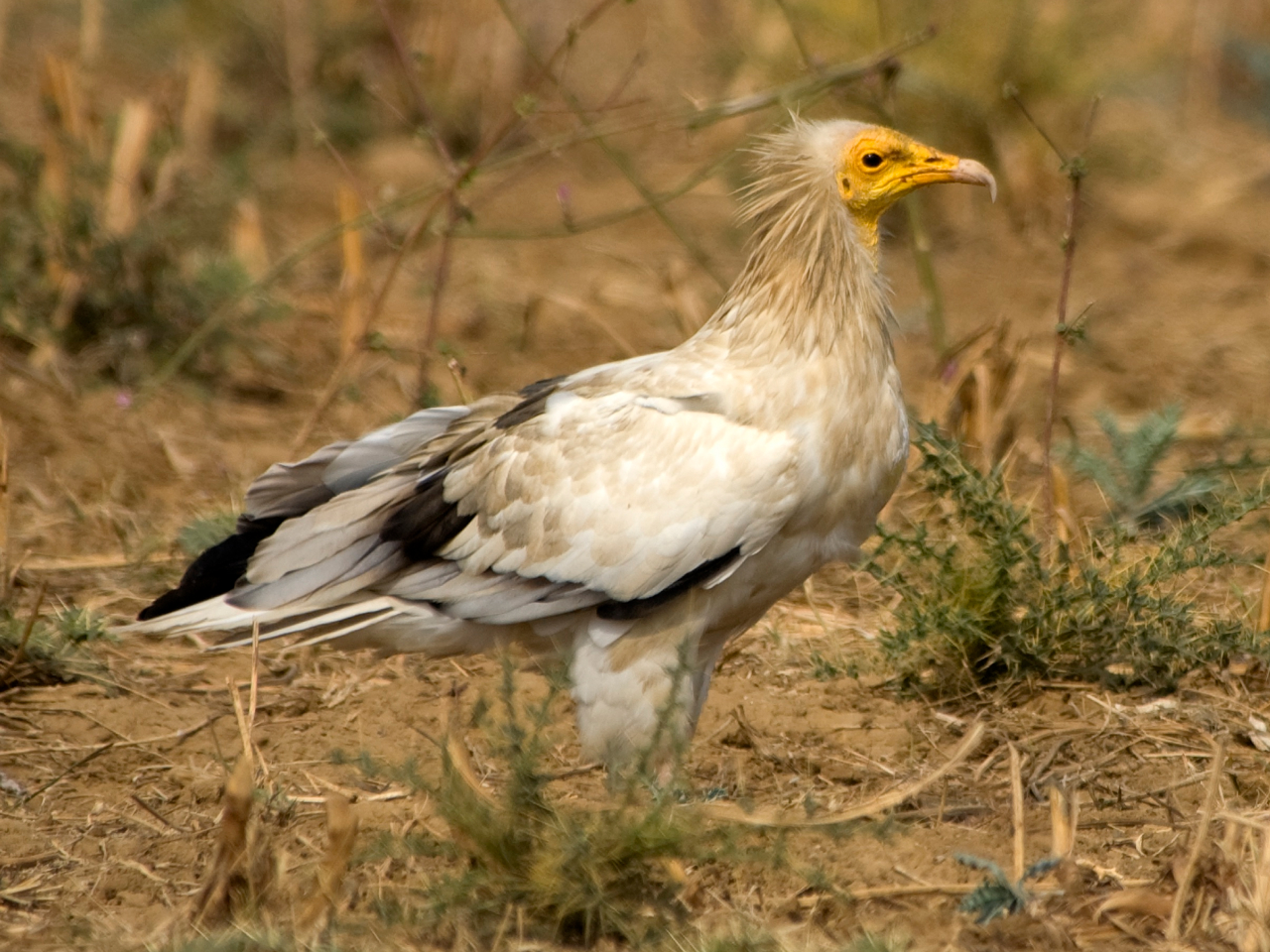
What it means: Some populations of the species migrate, while others stay put all year. Whether a population moves often depends on how reliable its food supply is year-round.
Meet the Egyptian Vulture: Found in parts of Europe, Africa, and Asia, some Egyptian Vultures that breed in Europe and Asia fly south to Africa for the winter. Others remain resident in the same area all year.
Full Migrants
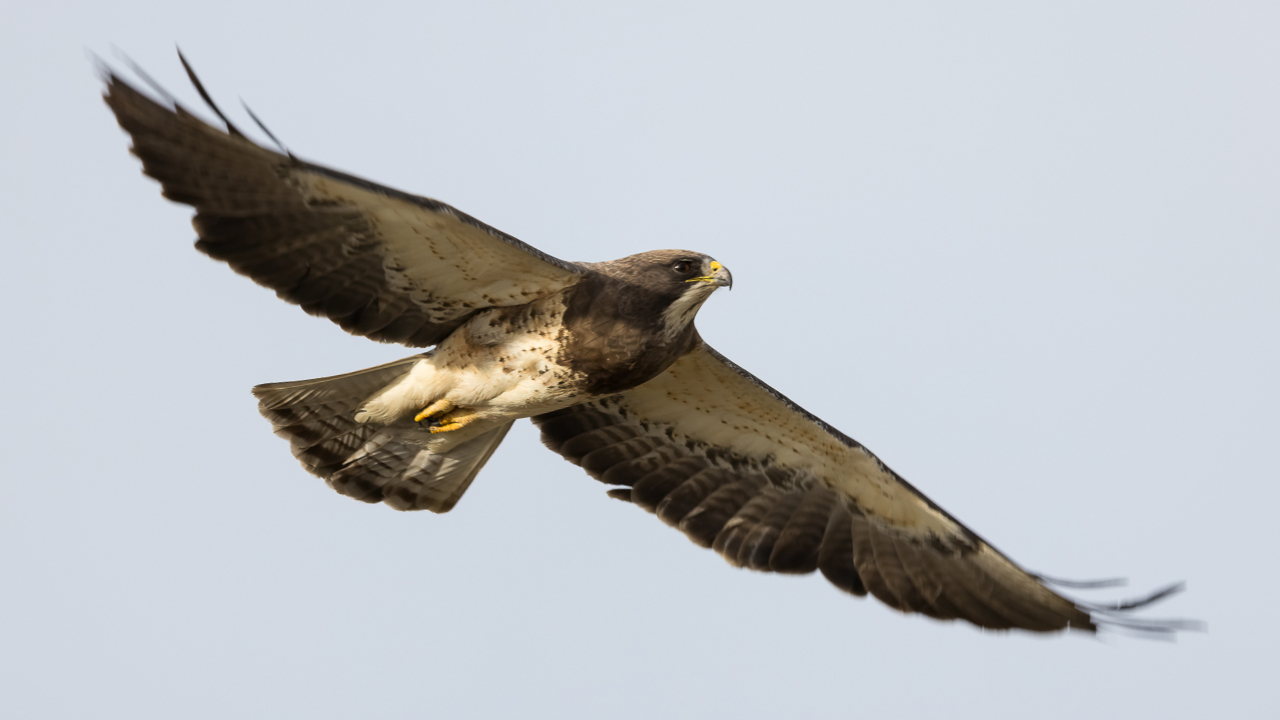
What it means: All (or nearly all) individuals of the species migrate each year. This is less common among raptors than you might think.
Meet the Swainson's Hawk: One of the few raptors considered (mostly) fully migratory, Swainson's Hawks can fly about 6,000 miles (more than 9,600 km) from Argentina to North America each spring—and back again in fall. That makes it one of the longest-distance migrating raptors in North America.
How Far Do They Go?
Among migrating raptors, trips range from a short hop to a journey across hemispheres. Scientists often group them as short-, medium-, or long-distance migrants.
Short-distance migrants
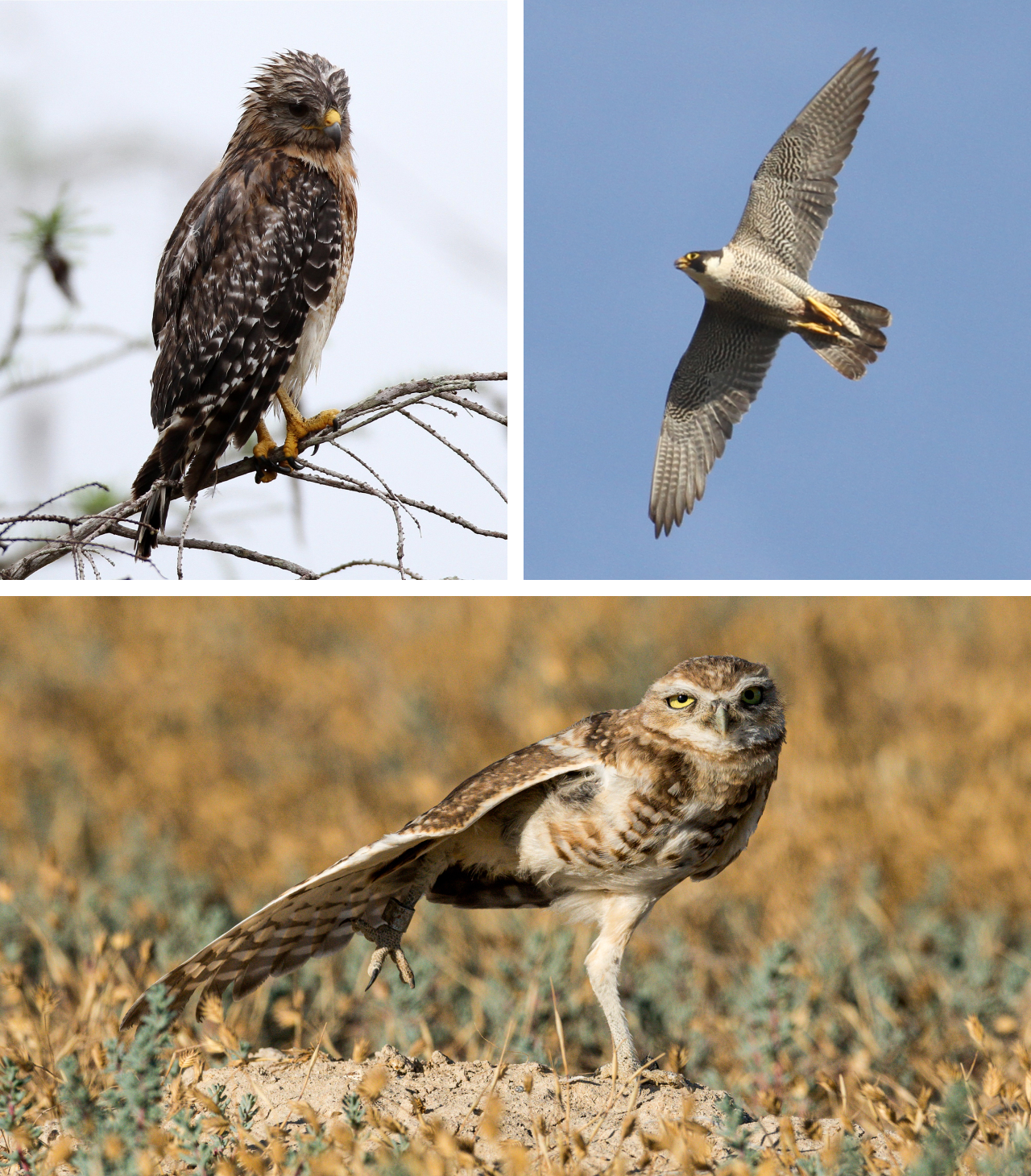
- Red-shouldered Hawks in northern populations typically travel only 190–930 miles (300–1,500 km) each way.
Medium-distance migrants
- Burrowing Owls are considered partial migrants, but some owls fly around 2,000 miles (3,200 km) from Montana and North Dakota to southern Mexico.
Long-distance migrants
- Peregrine Falcons breeding in the Arctic fly more than 6,000 miles (about 10,000 km) each way between the Arctic and South America.
Bonus: Three More Ways Birds Move
- Elevational (altitudinal) migrants move up or down mountains with the seasons instead of traveling north or south.
- Irruptive migrants travel outside their normal range at irregular intervals, usually in response to food shortages.
- Nomadic migrants make unpredictable movements at different distances and times of year to find food.
Why Migration Matters for Conservation
Many raptors cross borders and even continents, so conserving them takes a worldwide, all-hands effort. The Peregrine Fund has partnered with more than 65 countries and hundreds of conservation organizations to address threats to raptor populations around the world.