

Carlee Clarke
New Study Reveals Steep Breeding Decline in Serengeti Vultures
The White-backed Vulture is the most abundant vulture species on the African savanna, but abundance does not mean security. The species has been declining across its range and was uplisted to Critically Endangered in 2015, largely due to poisoning. Now, a new study published in Ostrich: Journal of African Ornithology, led by Vainess Laizer, a Tanzanian graduate student supported by TPF and Grumeti Fund and co-authored by TPF's Dr. Corinne Kendall and Dr. Claire Bracebridge of our Southern Africa Program, offers a troubling look at what is happening to the breeding population in Tanzania's western Serengeti.
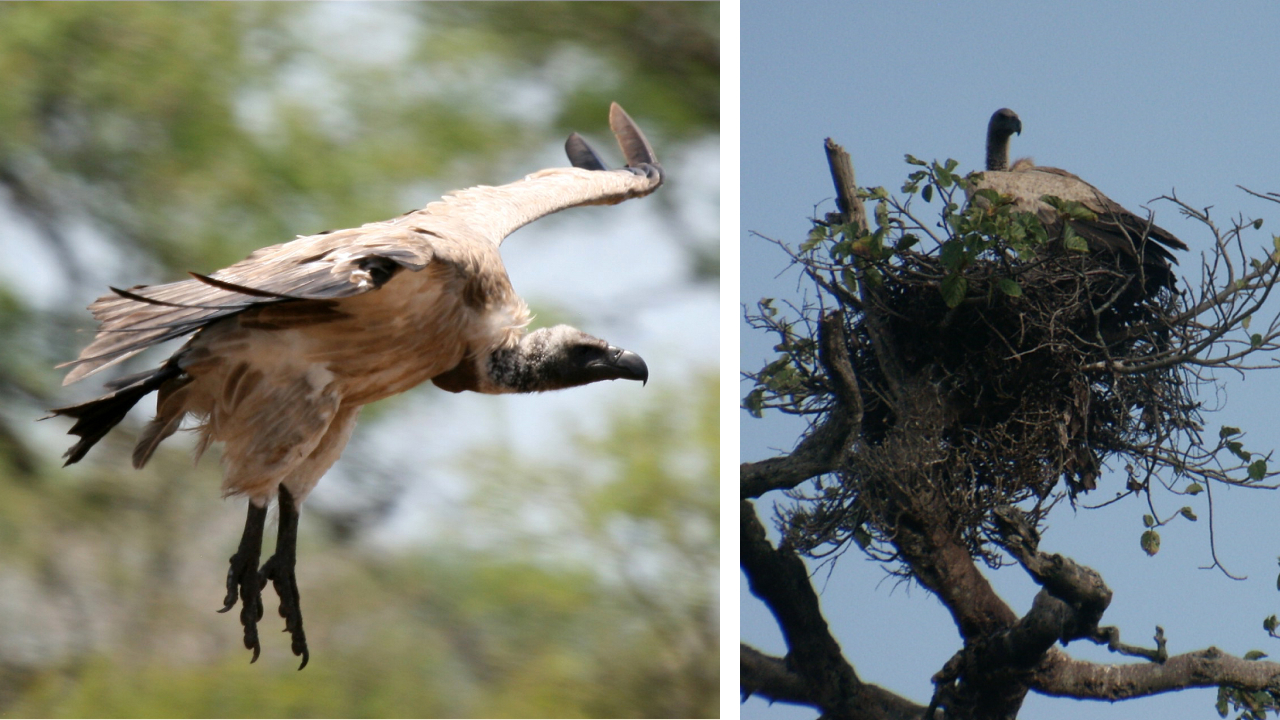
The Grumeti Fund research team conducted aerial surveys along riparian forests in the Ikorongo–Grumeti Game Reserves and Ikona Wildlife Management Area between 2013 and 2021, tracking changes in the number of vulture nests found. They also carried out ground-based nest surveys in 2021 and 2022 to assess breeding success and nesting preferences, and used satellite imagery to evaluate changes in tree cover across the study area.
The results are concerning on multiple fronts. Nest encounter rates dropped 56% over the nine-year study period—a steep decline even by regional standards. Breeding success in 2022 was just 29.4%, well below the 55–57% reported elsewhere in Africa. Tree cover in the study area declined by 28% between 2012 and 2020, and vultures consistently nested in areas with greater tree cover, suggesting habitat loss may be contributing to the breeding decline. Poisoning is also likely a factor: a severe poisoning event in the Serengeti–Mara ecosystem in 2024 killed more than 100 vultures, underscoring the persistent threat.
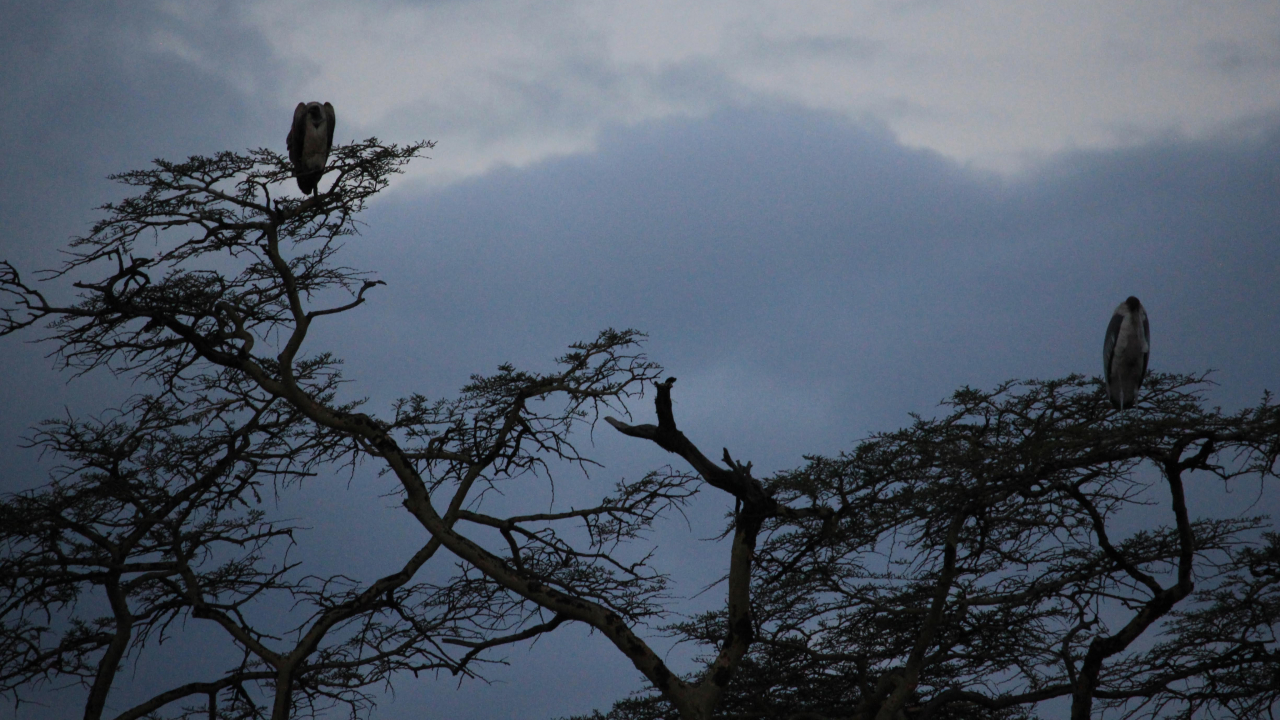
The authors call for expanded monitoring across the broader ecosystem, more intensive nest surveys, and further investigation into the drivers of tree loss and adult mortality. Ongoing work by TPF to address poisoning in the area will be critical to reversing this trend. For a species that raises only one offspring at a time and invests months in its care, every nesting failure carries lasting consequences.