
Justus Menke / Pexels
New Study Reveals Scale of Forest Loss Threatening Raptors Worldwide
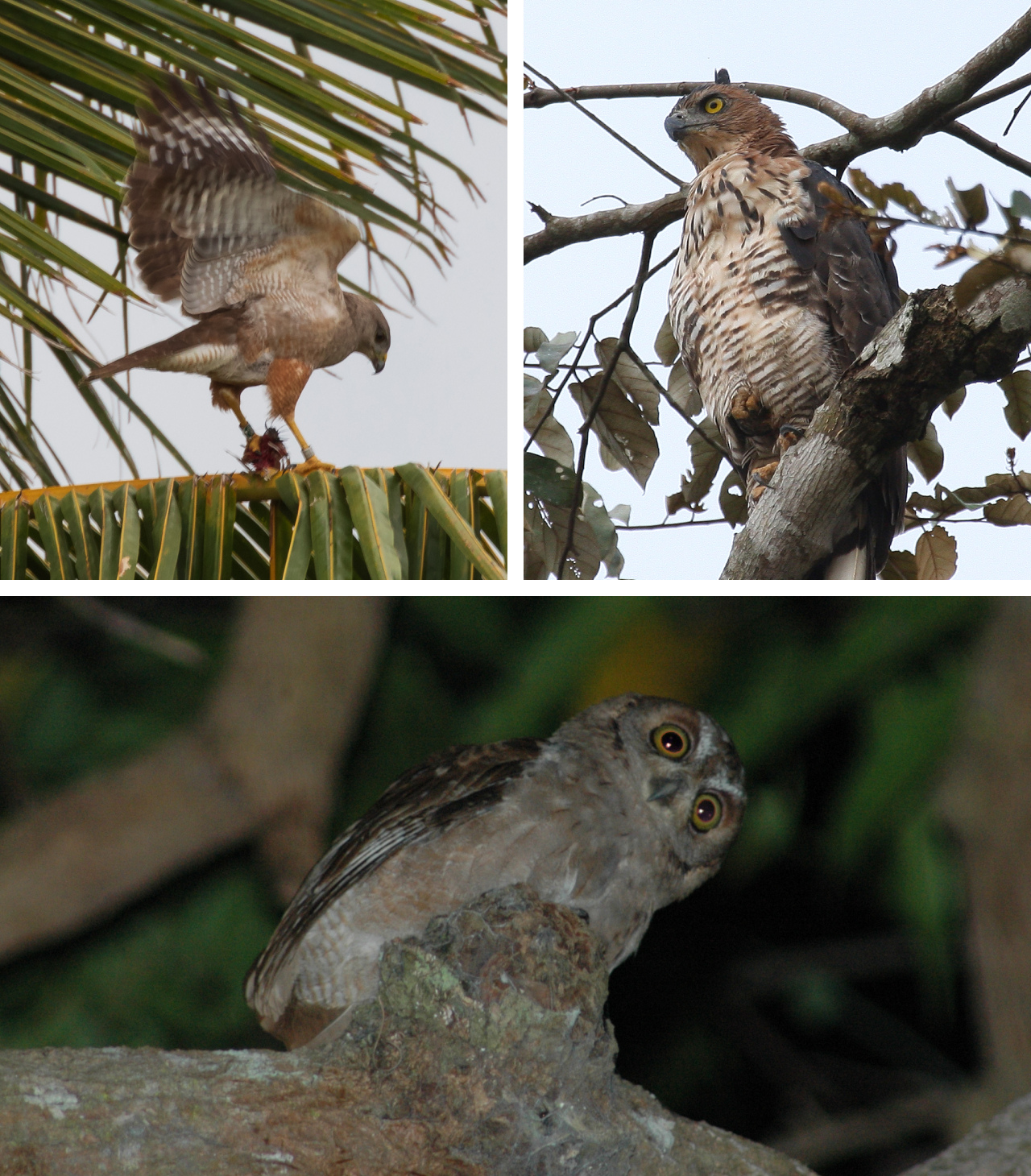
A new study published in Global Change Biology has delivered a sobering assessment of where the world's forest raptors stand. The researchers analyzed forest loss within the ranges of all 369 species of forest-dependent raptors (roughly two-thirds of all raptor species) using global forest change data from 2001 to 2023, making it the most detailed assessment of its kind to date. On average, only 52% of forest cover remains within forest-dependent raptor species' ranges, and many forest specialists retain less than 25%. (Three forest specialist raptors are pictured below; clockwise from top left, they are the Ridgway's Hawk, Wallace's Hawk-eagle, and Pemba Scops-owl.)
"These results reinforce that raptors are among the most imperiled vertebrates on Earth and that deforestation is one of their primary threats worldwide," said lead author Dr. Christopher J. O'Bryan of Maastricht University. "The scale and pace of forest loss within raptor ranges is drastic, and the consequences for this threatened group of birds are profound."
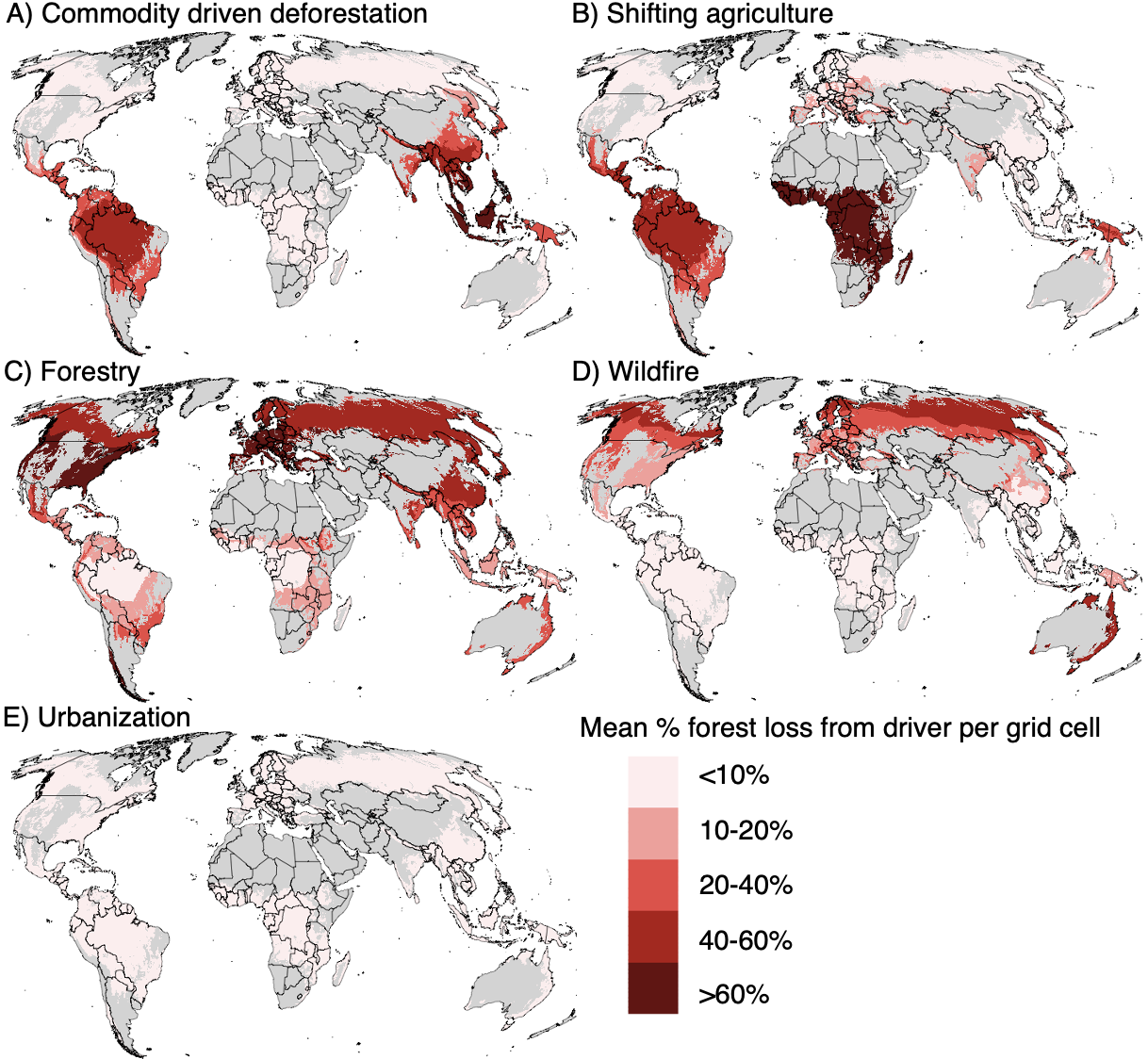
The findings show that forest-dependent raptors lost an average of 10% of their habitat since 2001. The dominant drivers were shifting agriculture, permanent clearing for industry and energy infrastructure, and commercial forestry. Critically Endangered species have fared the worst, having lost the most forest.
Perhaps most alarming is what the data suggests about species we aren't watching closely enough. “Forest raptors are often elusive and difficult to count,” notes co-author and TPF’s Senior Scientist, Dr. Ralph Buij. “So we have little information on their populations in many parts of the globe, especially in the tropics. Our results reveal that many raptors may be silently vanishing with the loss of the world’s forests.”
The study provides critical data for species threat assessments, regional conservation priorities, and global biodiversity commitments. It is a clear call to protect what forest remains before more species slip past the point of recovery.