Russell Thorstrom
A New Global Network for Birds of Prey: Introducing the IUCN SSC Raptor Specialist Group
Birds of prey live on every continent except Antarctica, soaring over Arctic tundra, desert canyons, and tropical rainforests alike. Despite this remarkable reach, many of them are in trouble. State of the World’s Raptors, a 2025 book led by The Peregrine Fund’s Dr. Chris McClure, reports that more than half of the world’s 561 raptor species have declining global populations, and 20 percent are threatened with extinction.
Habitat loss, poisoning, illegal killing, and electrocution on power lines all play a role, but these threats look different from one region to the next. Many raptors also migrate across borders, which means the challenges they face in one country can affect their survival in another. Conserving these birds takes people around the world working together, and that kind of collaboration now has new support. The International Union for Conservation of Nature (IUCN) has approved a new Raptor Specialist Group (RSG) within its Species Survival Commission (SSC).
Part of a Global Tradition
The RSG joins a long tradition of teamwork within the IUCN, the world's oldest and largest global environmental organization. Through its Species Survival Commission, thousands of volunteer experts from universities, conservation groups, governments, zoos, and botanic gardens share their knowledge. These experts are organized into more than 180 Specialist Groups, each focused on a group of species, a region, or a conservation issue. Their subjects range from polar bears to crustaceans, conifers to wild bees. The Peregrine Fund already takes part in the Vulture Specialist Group, and now raptors as a whole have a dedicated group of their own.
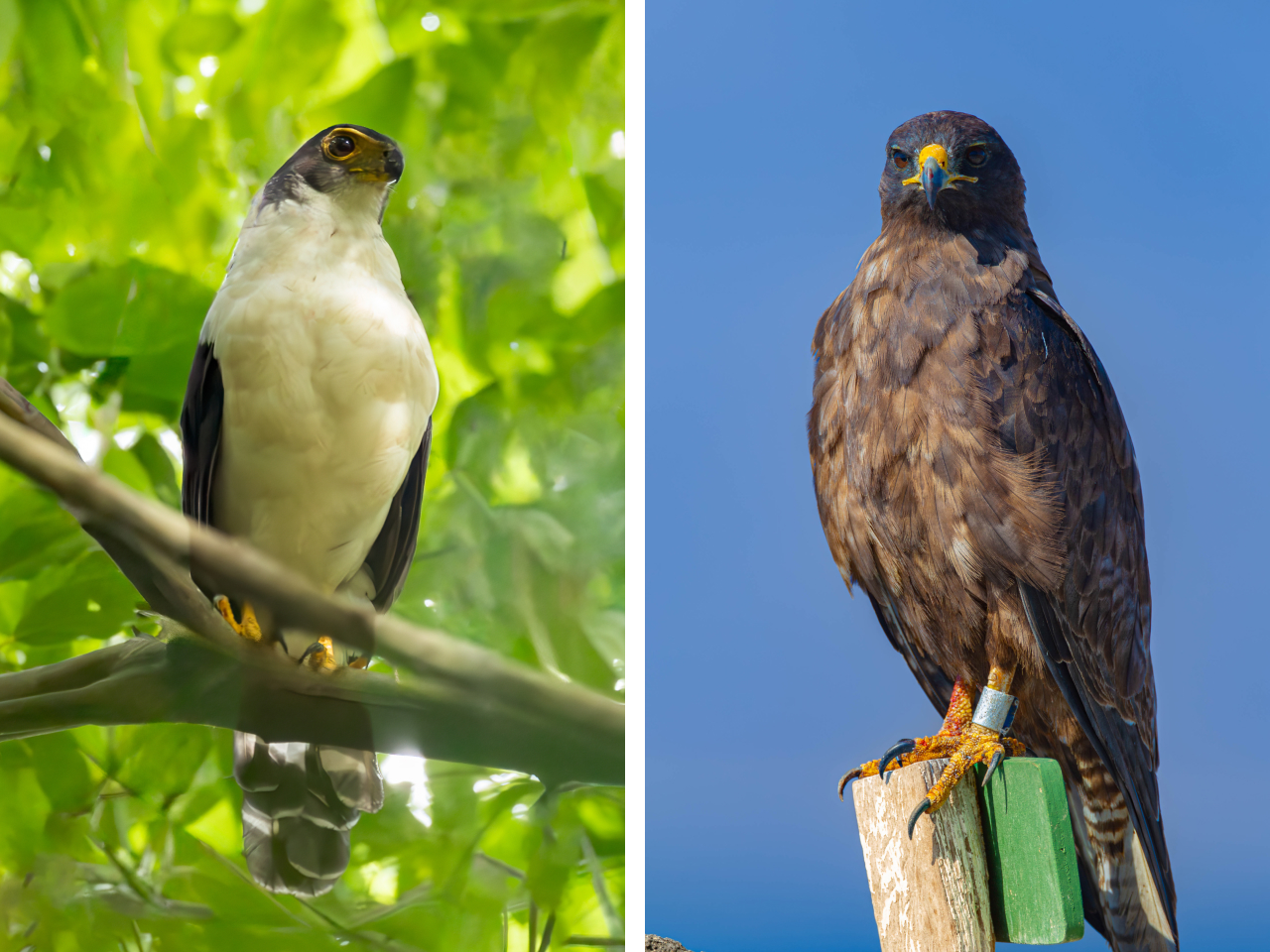
Connecting Raptor Conservation Worldwide
The RSG is co-chaired by Dr. Evan Buechley, The Peregrine Fund’s Vice President of Conservation (International), and Dr. Prachi Mehta, Director of Research for the Wildlife Research and Conservation Society India. Together, they proposed the group and guided it through the IUCN approval process. Their two organizations are also supporting the group's launch, and Melissa Murillo, Global Raptor Impact Network (GRIN) Officer at The Peregrine Fund, serves as the RSG's Programme Officer, coordinating its work behind the scenes.
"Raptors occur across nearly every ecosystem on Earth, yet conservation efforts for many species remain limited by gaps in data and coordination,” said Dr. Buechley. “The Raptor Specialist Group will help coordinate diverse interests to promote assessment, planning, and action across regions, so that limited resources are directed where the evidence shows they are needed most."
At its heart, the new group is built to connect people who work to conserve birds of prey, from researchers in the field to the communities and agencies who share their landscapes. By bringing these voices together, the RSG will help them share what they learn and turn plans into action across many regions, species, and threats. This work draws on two pillars of TPF Complete Conservation™. Through Collaboration, The Peregrine Fund has long worked side by side with local, national, and international partners, with local experts leading the way in their own regions. Through Thought Leadership, we help shape global conservation priorities and share scientific knowledge so others can build on it. The RSG brings both to a global scale, uniting researchers and conservationists around the science and teamwork raptors need.
Looking Ahead
With its foundation in place, the RSG is already looking ahead. A steering committee of raptor experts from around the world has set goals for the group's first four years. Its work will follow the IUCN's Species Conservation Cycle, which moves from assessing to planning, acting, networking, and communicating. One early priority is helping update IUCN Red List assessments, which measure how close a species is to extinction. Building on those assessments, the group will identify priorities and support science-based conservation action plans.
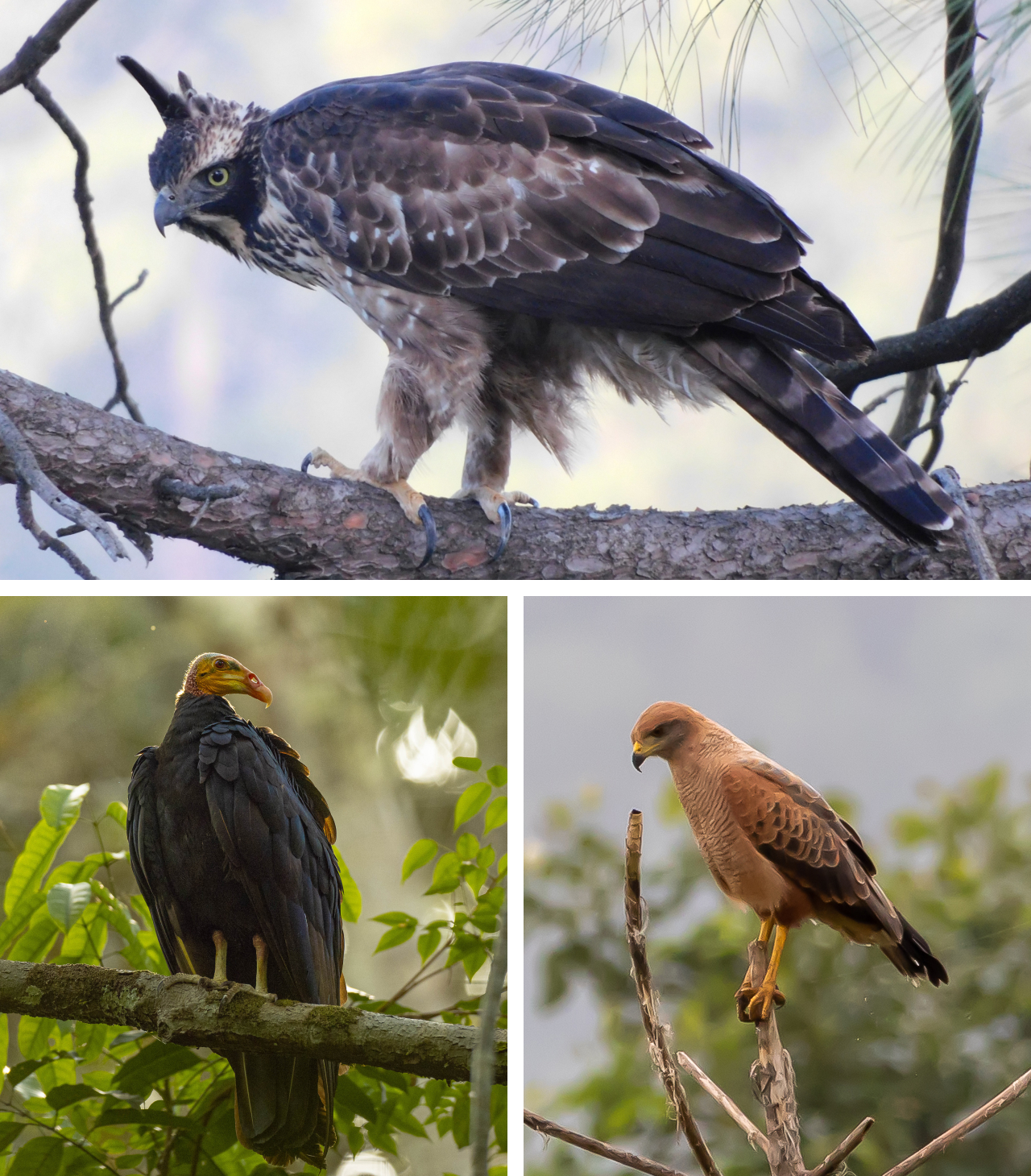
“Raptors are among the most threatened groups of birds and valuable indicators of a healthy ecosystem,” says Dr. Mehta. “Raptor conservation needs sound science, local partnerships and long-term commitment. The IUCN Raptor Specialist Group will strive to work on this.”
Ultimately, the RSG aims to build a truly global raptor network that closes critical gaps in both what we know and what is being done. That network is already taking shape. Seventeen leading raptor experts have joined so far as founding members, and with more invitations out, the group expects to keep growing in the months ahead.
From the Arctic to the tropics, birds of prey play vital roles in the ecosystems they call home. With this new network in place, the people working to conserve them are more connected than ever before.